When a Ring Becomes More Than Jewelry: Understanding Value Beyond Materials
A diamond ring can be held in the hand, weighed, inspected, photographed, and described in technical terms. Yet anyone who has owned one knows that a ring is rarely just metal and stone. It carries memory, identity, commitment, personal change, and sometimes even the quiet evidence of a life chapter that has already passed.
This is why understanding the value of a diamond ring requires more than looking at its materials. The diamond, the setting, the craftsmanship, and the market all matter, but so does the way the ring exists as a complete object. For people considering whether to sell a diamond ring, this broader perspective is essential. It helps separate emotional meaning from market value without dismissing either one.
Why Emotional Meaning and Market Value Are Different
A ring may be priceless to its owner because of what it represents. It may have marked an engagement, a marriage, a family milestone, or a personal achievement. That meaning is real, but it does not always translate directly into resale value.
Market value follows a different logic. It considers the diamond’s quality, the condition of the ring, the setting, documentation, current demand, and how easily the piece can be understood by future buyers. This difference can feel difficult at first, especially when the ring carries emotional weight.
The healthiest way to approach selling is not to ignore personal meaning, but to understand where it belongs. Emotional value belongs to memory. Market value belongs to evaluation. A clear process respects both.
The Ring as a Complete Design Object
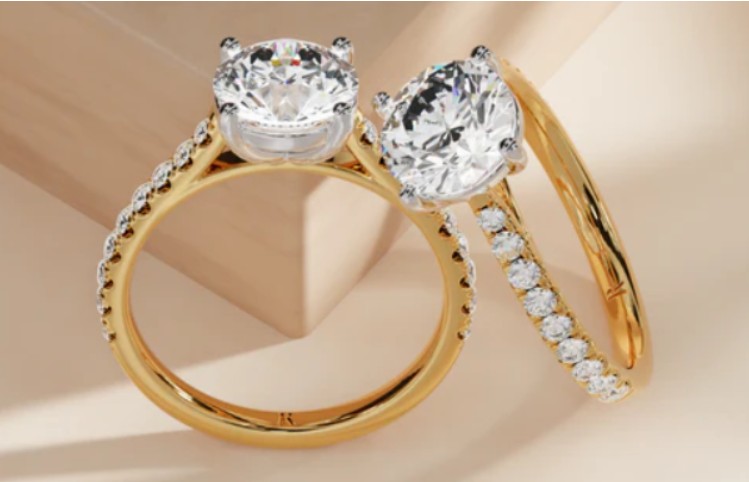
A diamond ring is more than a diamond placed into metal. The setting affects how the stone appears, how secure it feels, and how attractive the piece may be in the resale market. A well-designed ring can make a diamond look more balanced and refined. A weak or outdated setting may reduce appeal, even if the stone itself remains valuable.
Craftsmanship also matters. Buyers notice prong condition, metal wear, symmetry, proportion, and whether the ring feels structurally sound. These details influence confidence. A ring that appears carefully made and well maintained may create a stronger impression than one that needs repair or redesign.
For this reason, a proper diamond ring value assessment should consider the entire piece, not just the center stone. The goal is to understand how the ring works as jewelry and how it may perform in the real resale market.
How Ownership History Shapes Perception
A ring’s history may not always change its financial value, but it can shape how the selling process feels. Some owners hesitate because the ring represents something deeply personal. Others feel ready to sell because the meaning has changed over time.
This is where clarity becomes important. A seller should not feel pushed to reduce the ring to a transaction too quickly. The process should give enough space to understand the piece, ask questions, and decide whether selling feels right.
In many cases, the owner is not only selling jewelry. They are choosing what role that object should continue to play in their life. When handled thoughtfully, the sale can feel less like loss and more like transition.
Why Trust Matters When Materials Are Not the Whole Story
When value is layered, trust becomes essential. A seller needs confidence that the ring is being evaluated carefully and explained honestly. If the process feels rushed or unclear, even a fair offer may feel incomplete.
A trustworthy evaluation should explain why certain factors matter. It should clarify how the diamond, setting, condition, documentation, and market demand work together. When the reasoning is visible, the seller can make a decision with greater confidence.
This is especially important for diamond rings because their value is rarely one-dimensional. The best experience is not simply receiving a number. It is understanding how that number was reached.
Conclusion
A diamond ring becomes more than jewelry because it exists at the intersection of material value and personal meaning. It may be made of gold, platinum, and diamond, but its significance often extends far beyond those elements. When the time comes to sell, that complexity deserves to be handled with care.
The true value of a diamond ring is not found in one factor alone. It is shaped by the quality of the stone, the design of the setting, the condition of the piece, the strength of documentation, and the reality of current market demand. At the same time, the emotional history of the ring should be acknowledged, even if it is not priced in the same way.
For sellers, the most important thing is clarity. When a ring is evaluated as a complete object, the process becomes easier to understand and easier to trust. The owner can see the difference between what the ring has meant personally and what it may be worth in the market today. That understanding creates a more balanced decision.
In the end, selling a diamond ring is not only about letting go of materials. It is about recognizing the full story of the piece, then deciding its next chapter with confidence.