
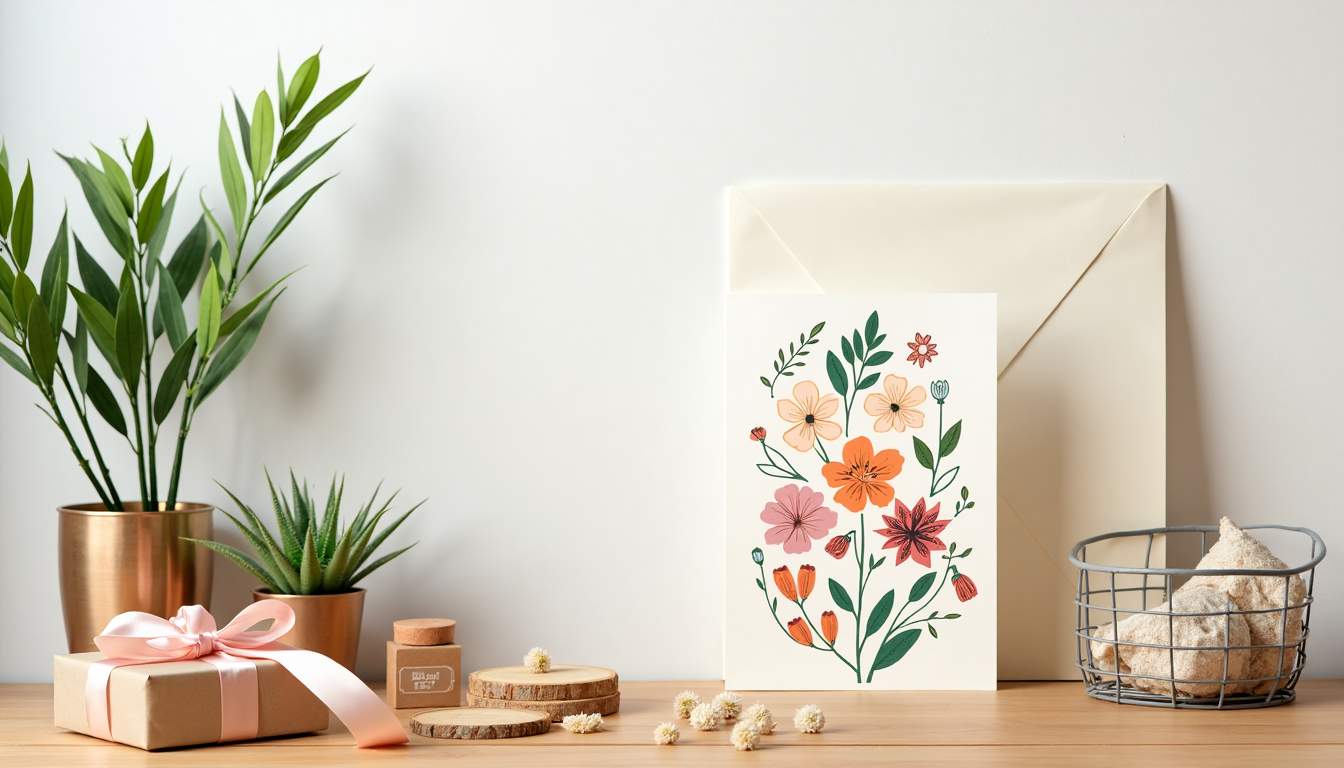
The Joy of Making a Card: Your Ultimate Guide to Creating Heartfelt Greetings
In a world saturated with digital messages and quick texts, there’s something uniquely special about a handmade card. It’s a tangible piece of thoughtfulness, a keepsake that says, “I took the time for you.” Whether for a birthday, holiday, thank you, or just because, knowing how to make a card is a rewarding skill that spreads immense joy.
This guide will walk you through everything you need to know, from simple starter ideas to more advanced techniques. Let’s unlock your inner artist and discover the profound pleasure of creating something by hand.
Why Make a Card? The Power of Handmade
Before we dive into the “how,” let’s consider the “why.” A handmade card is more than just paper and glue; it’s a personal gesture with numerous benefits.
- Uniqueness: Your card will be one-of-a-kind. Unlike a store-bought card, it carries your personal touch and cannot be replicated.
- Personalization: You can tailor every element—the colors, message, and design—to perfectly suit the recipient’s personality and your relationship with them.
- Cost-Effective: With some basic supplies, you can create beautiful cards for a fraction of the price of premium store-bought ones.
- Therapeutic: The process of crafting is a wonderful way to de-stress, focus your mind, and express your creativity.
- Eco-Friendly: By using recycled materials or scraps you have at home, you can create a beautiful card with a smaller environmental footprint.
Getting Started: Your Essential Card-Making Toolkit
You don’t need a fancy craft store to begin. You can start with items you likely already have at home.
The Absolute Basics
- Paper/Cardstock: This is your canvas. Printer paper is fine for a simple fold, but cardstock (a thicker paper) will give a more professional and sturdy result.
- Scissors: A good pair of sharp scissors is crucial for clean cuts.
- Adhesive: Glue sticks, double-sided tape, or a simple glue pen. Liquid glue can be messy but is strong for heavier items.
- Writing Tools: Colored pencils, fine-liner pens, or markers for writing your message and adding details.
Next-Level Supplies (To Elevate Your Creations)
- Decorative Paper: Scrapbook paper, patterned origami paper, or even old book pages and maps.
- Embellishments: Stickers, sequins, buttons, ribbons, or pressed flowers.
- Ruler and Craft Knife: For perfectly straight cuts and scoring folds.
- Stamps and Ink Pads: A quick way to add consistent, beautiful images and sentiments.
- Watercolor Paints or Acrylics: For a beautiful, painterly effect.
How to Make a Card: 3 Simple Techniques for Beginners
Let’s get practical. Here are three foundational methods to make a card that anyone can master.
Technique 1: The Classic Folded Card
This is the most common and versatile card style.
Steps:
- Choose Your Base: Take a sheet of A4 or Letter-size cardstock.
- Score and Fold: Fold it in half horizontally. To get a crisp, professional fold, first use a ruler and a blunt tool (like the back of a butter knife) to lightly score a line down the center. Then fold along this line.
- Create Your Front: This is your main design area. You can draw, paint, or create a collage on the front.
- Write Inside: Leave the inside blank for your personal message.
Technique 2: The Die-Cut or Scissor-Cut Shape Card
Perfect for a fun and thematic card, like a heart for Valentine’s Day or a tree for Christmas.
Steps:
- Fold and Draw: Take a folded card. On the front, draw the outline of a simple shape, ensuring part of the shape is connected to the fold (e.g., the center of the heart).
- Cut: Carefully cut around the shape, leaving the connected part intact. When you open it, you’ll have a symmetrical shape card!
- Decorate: Embellish the shape with markers, glitter, or other materials.
Technique 3: The Layered Panel Card
This technique adds depth and interest with minimal effort.
Steps:
- Create Your Base: Start with your classic folded card.
- Cut a Panel: Cut a slightly smaller piece of contrasting colored or patterned paper.
- Adhere: Glue this panel onto the front of your card base, centering it.
- Add a Focal Point: You can now add a sentiment, a stamped image, or a photo on top of this panel. You can even add a third, smaller layer for more dimension.
Design Principles: Making Your Card Look Professional
A great card is more than just the sum of its parts. A few basic design principles can elevate your creation.
- Balance: Distribute the visual weight of your elements. A large image on one side can be balanced with a bold sentiment on the other.
- Contrast: Use contrasting colors (light/dark) or sizes (large/small) to make key elements pop and ensure readability.
- Choose a Color Scheme: Stick to 2-4 complementary colors for a cohesive look. A clashing rainbow of colors can look messy.
- Leave White Space: Don’t feel the need to fill every millimeter. “White space” (or empty space) gives the design room to breathe and helps focus the viewer’s eye.
Card-Making Methods Compared: Which is Right for You?
There are many ways to make a card. The best method depends on your goals, time, and resources.
| Method | Skill Level | Cost | Time Required | Best For |
| Handmade/Hybrid | Beginner to Expert | Low to Medium | 30 mins – 2 hours | Personalization, therapeutic crafting, unique gifts |
| Digital (e.g., Canva, Adobe Express) | Beginner | Free (with paid options) | 10 – 30 minutes | Quick turnaround, mass production, photo integration |
| Full Traditional Crafting (e.g., Stamping, Die-Cutting) | Intermediate to Expert | Medium to High | 1 – 3 hours | Hobbyists, intricate and detailed designs, texture |
Creative Themes and Occasions: What to Make a Card For
Stuck for ideas? Here’s a list of occasions perfect for a handmade card:
- Birthdays: The classic! Decorate with balloons, cakes, or the recipient’s hobbies.
- Thank You: A simple, sincere card is the perfect way to show gratitude.
- Sympathy: A handmade card can convey empathy and care in a way store-bought ones often cannot.
- Congratulations: New baby, graduation, promotion, new home.
- Just Because / Hello: Sometimes the best cards are the ones sent for no reason at all.
- Holidays: Christmas, Hanukkah, Diwali, Valentine’s Day, Mother’s Day, Father’s Day.
Troubleshooting Common Card-Making Problems
Every crafter faces hurdles. Here’s how to solve common issues.
- Problem: Glue is warping the paper.
- Solution: Use a thinner layer of glue or switch to a glue stick or double-sided tape. Let it dry completely under a heavy book.
- Problem: My cuts are messy or uneven.
- Solution: Use a sharper pair of scissors. Draw a light pencil line to follow, and cut slowly. A ruler and craft knife will give the cleanest edges.
- Problem: I don’t know what to write.
- Solution: Keep it simple and sincere. A heartfelt “Thinking of you” or “Wishing you a wonderful day” is always appreciated. The fact that you made the card already says so much.
- Problem: My design looks cluttered.
- Solution: Remember the principle of white space. Remove one or two elements. Sometimes, less really is more.
Frequently Asked Questions (FAQs)
Q1: I’m not artistic at all. Can I still make a nice card?
Absolutely! You don’t need to be a brilliant painter. Start with simple techniques like the layered panel card, use stickers for decoration, or focus on beautiful handwriting. The effort and personal touch are what truly count.
Q2: What is the best type of paper to use?
For a base card, 80lb to 110lb cardstock is ideal. It’s thick enough to stand on its own but still easy to fold and cut. For layers, thinner patterned paper (like scrapbook paper) works well.
Q3: How can I make my card more personal?
Incorporate inside jokes, a favorite color of the recipient, or a small photo. You could also write a memory you share together inside the card. The goal when you make a card is to infuse it with your relationship.
Q4: Are there any online tools to help me design a card?
Yes, platforms like Canva and Adobe Express offer free templates where you can design a card digitally and then print it at home to fold. This is a great hybrid approach if you lack confidence in your hands-on crafting skills.
Q5: How can I mail a handmade card without it getting damaged?
If your card has bulky embellishments like buttons, it’s best to hand-deliver it. For flatter cards, place them in a rigid “do not bend” envelope. You may need to pay for non-machinable postage at your post office if it’s too thick or rigid.
Conclusion: The Timeless Gift of a Handmade Card
In the end, to make a card is to create a small, powerful artifact of human connection. It’s a pause in the digital noise, a physical reminder to someone that they are cherished. The materials don’t have to be expensive, and the technique doesn’t have to be perfect. The real magic lies in the intention behind it.
So, gather your paper and scissors, clear off a small space on your table, and allow yourself the simple joy of creating. Your next heartfelt message is waiting to be made, not just sent. Happy crafting