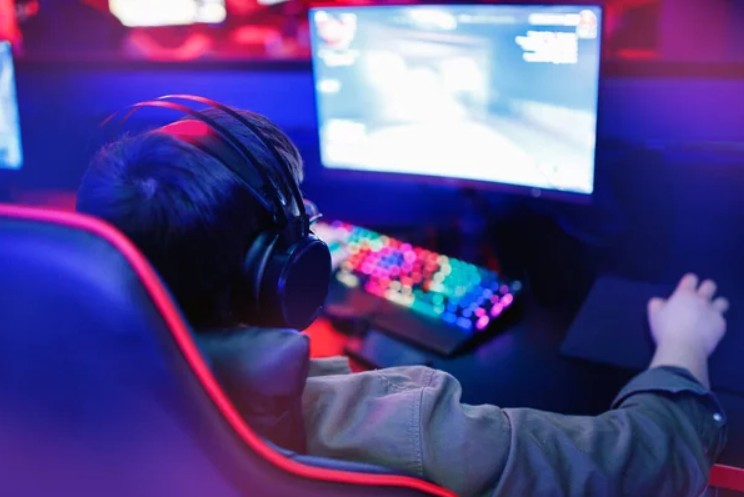

Inside the Life of Pro Gamers: Fame, Pressure, and the Grind
The life of pro scbet88 looks glamorous from the outside. Packed arenas, roaring fans, million-dollar prize pools, and brand deals paint a picture of effortless success. But behind the screens and stages lies a demanding lifestyle built on discipline, sacrifice, and constant pressure.
Professional gaming is no longer a hobby turned lucky break. It is a full-scale career that blends athletic-level training, mental resilience, and business awareness. Understanding the real life of pro gamers means looking beyond highlights and diving into their daily reality.
Daily Routine
A pro gamer’s day starts much earlier than most people imagine. It’s not about rolling out of bed and casually playing games. Structure rules everything.
Most professional players follow strict schedules. Practice blocks are planned down to the minute, often spanning six to ten hours a day. Warm-up sessions focus on mechanics, reflexes, and aim drills. These aren’t casual games but targeted exercises designed to sharpen performance.
Between sessions, players review gameplay footage, analyze mistakes, and study opponents. Every move is measured. Every decision is reviewed. Consistency is the goal, not fun.
Training Intensity
Professional gaming training rivals traditional sports. Reaction time, muscle memory, and decision-making speed must stay at peak levels.
Teams often scrim against other professional squads daily. These practice matches simulate tournament pressure and help refine strategies. Losing in scrims isn’t failure; it’s data.
Physical training is now part of many pro gamers’ routines. Stretching, cardio, and posture-focused workouts reduce injury risk and improve endurance. Wrist strain, back pain, and eye fatigue are real threats in esports careers.
Mental Pressure
Mental strength separates average players from elite professionals. High-stakes tournaments bring intense pressure where one mistake can end months of preparation.
Pro gamers constantly battle performance anxiety. Playing in front of millions online or thousands in a stadium demands emotional control. Tilt, frustration, and burnout are enemies every player faces.
Many teams employ sports psychologists to help players manage stress, stay focused, and recover from losses. Mental health awareness in esports has grown, but the pressure remains relentless.
Team Life
For team-based esports, players often live together in gaming houses or team facilities. This environment creates strong bonds but also challenges.
Living and working with the same people daily can cause friction. Communication skills become just as important as mechanical skill. Arguments, strategy disagreements, and personality clashes are part of the journey.
Successful teams invest time in trust-building. Team dinners, off-day activities, and shared goals help maintain balance. Chemistry can be the difference between winning championships and falling apart mid-season.
Travel Demands
The life of pro gamers includes constant travel. International tournaments require players to cross time zones, adapt to new environments, and perform at peak levels with little rest.
Jet lag, unfamiliar food, and tight schedules test physical endurance. Players may compete on stage days after landing in a new country. Maintaining focus under these conditions is part of the profession.
Despite the excitement of global travel, it often means time away from family, friends, and normal life routines.
Streaming Culture
Streaming plays a major role in a pro gamer’s life. Platforms like Twitch and YouTube are not just hobbies but income streams and brand builders.
Many players stream several hours after practice, engaging with fans and growing their audience. This adds another layer of work to already long days.
Streaming requires energy, personality, and consistency. Balancing performance-focused practice with entertaining content creation is a challenge most pro gamers face daily.
Income Reality
Earnings in professional gaming vary widely. A small percentage earn millions, while many struggle to stay financially stable.
Income sources include tournament winnings, salaries, sponsorships, streaming revenue, and merchandise deals. Prize money alone is rarely reliable due to inconsistent results.
Top-tier players earn lucrative contracts, but lower-tier professionals often rely on multiple income streams to sustain their careers. Financial planning becomes crucial due to the short lifespan of most esports careers.
Career Longevity
The average pro gaming career is short. Reflexes slow, motivation shifts, and new talent constantly emerges.
Many players peak in their late teens or early twenties. Burnout is common due to long hours and intense pressure. Staying relevant requires constant improvement and adaptability.
Some transition into coaching, content creation, casting, or team management. Others leave esports entirely. Planning for life after competition is a reality every pro gamer must face.
Social Sacrifices
The life of pro gamers demands sacrifices most people never see. Missed holidays, skipped family events, and limited social circles are common.
Friends outside gaming may not understand the commitment required. Relationships can suffer due to irregular schedules and constant travel.
While esports fame brings recognition, it can also bring isolation. Many players struggle to maintain balance between personal life and professional demands.
Public Spotlight
Being a pro gamer means living under constant scrutiny. Fans, critics, and social media watch every move.
A single bad performance can trigger online backlash. Mistakes are clipped, shared, and debated endlessly. Thick skin is essential.
At the same time, fan support can be incredibly motivating. Positive communities and loyal supporters often help players push through tough times.
Health Challenges
Physical and mental health challenges are part of the profession. Long hours sitting at a screen take a toll on the body.
Common issues include wrist injuries, neck strain, vision problems, and sleep disorders. Poor diet and lack of exercise worsen these problems if unmanaged.
Teams now emphasize healthier lifestyles, balanced nutrition, and proper rest. Sustainability has become a priority in modern esports.
Skill Evolution
Games constantly evolve through patches, updates, and meta shifts. Pro gamers must adapt faster than casual players.
Learning new strategies, characters, or mechanics is continuous. Falling behind even slightly can cost a roster spot.
This constant evolution keeps the job exciting but mentally demanding. Mastery is never permanent.
Identity Shift
For many, sbobet88 starts as a passion. Turning it into a career changes that relationship.
Games become work. Losses hurt more. Fun takes a backseat to results. Managing this shift is one of the hardest parts of becoming a professional.
The most successful pro gamers learn to rediscover joy in improvement, competition, and personal growth rather than pure entertainment.
Life Balance
Finding balance is the ultimate challenge. The best pro gamers understand when to push and when to step back.
Scheduled breaks, hobbies outside gaming, and maintaining relationships help prevent burnout. Balance doesn’t reduce competitiveness; it sustains it.
Modern esports increasingly values longevity over short-term success.
Final Thoughts
The life of pro gamers is intense, demanding, and far from easy. Behind every trophy is a story of discipline, pressure, and resilience. It’s a career built on passion but sustained by sacrifice.
For those who make it, professional gaming offers unique rewards: global recognition, financial opportunity, and the thrill of competition at the highest level. But it requires more than talent. It demands commitment, adaptability, and mental strength.
Pro gamers are not just players. They are athletes, performers, and entrepreneurs navigating one of the fastest-growing industries in the world.