How Established Communities Quietly Outperform New Housing Projects Over Time
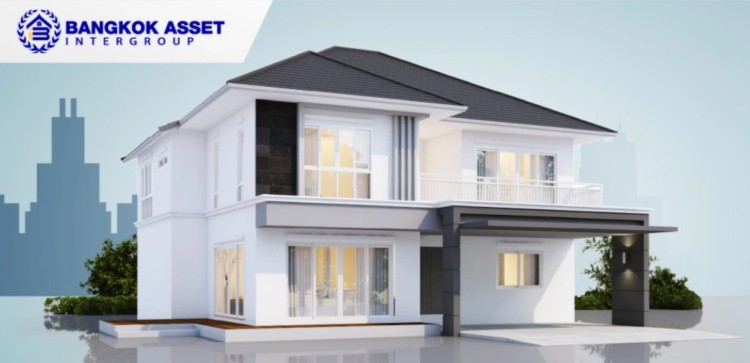
New housing projects often arrive with a strong first impression. Clean roads, fresh façades, coordinated landscaping, and polished marketing can make a development feel instantly desirable. Everything appears new, orderly, and full of promise. Yet property value is not built by first impressions alone. Over time, some established communities quietly prove to be more livable, more reliable, and more emotionally satisfying than newer projects that once looked more impressive on launch day.
This is one reason experienced buyers often pay close attention to older neighborhoods. They understand that a home is shaped not only by its walls, but by the community around it. In Thailand, where buyers are becoming more practical about long-term living, many are discovering that quality pre-owned homes in established areas can offer a kind of value that new projects may need years to develop.
A Mature Community Has Already Proven Itself
One of the greatest strengths of an established community is that buyers do not have to guess how it will function. The roads, traffic patterns, local services, and neighborhood atmosphere are already visible. People can visit the area in the morning, afternoon, and evening to understand how daily life actually feels.
New housing projects often require imagination. Buyers are asked to believe that future shops, schools, transport links, or community spaces will eventually improve the area. Sometimes they do. Sometimes progress takes longer than expected. Established communities remove much of that uncertainty because the lifestyle has already taken shape.
Convenience Becomes More Valuable With Time
As years pass, convenience often becomes more important than novelty. A home may look modern when purchased, but if the location remains inconvenient, daily life can become tiring. Established communities often have nearby markets, clinics, schools, restaurants, parks, and main roads already woven into the area.
These details may not feel dramatic, but they matter every day. A shorter drive to school, an easier grocery run, or quick access to healthcare can make life smoother in ways that buyers appreciate more over time. This everyday convenience is one reason older communities often remain desirable even when the homes inside them vary in age and style.
Community Character Cannot Be Built Instantly
A strong community has emotional depth. Neighbors recognize one another. Local shops become familiar. Streets develop a rhythm. Trees grow taller, gardens mature, and the area begins to feel settled. These qualities do not appear overnight, no matter how well a new project is designed.
Many buyers are drawn to this sense of place. A new development can feel clean and attractive, but it may also feel unfinished socially. Established neighborhoods often carry a warmth that comes from years of real living. For families, retirees, and working professionals, that feeling can influence comfort as much as the property itself.
Long-Term Value Often Follows Real Livability
Over time, areas that support daily life well tend to maintain stronger appeal. Buyers continue to value locations that are practical, familiar, and easy to live in. This does not mean every older neighborhood will outperform every new project, but it does mean that maturity can become a powerful advantage.
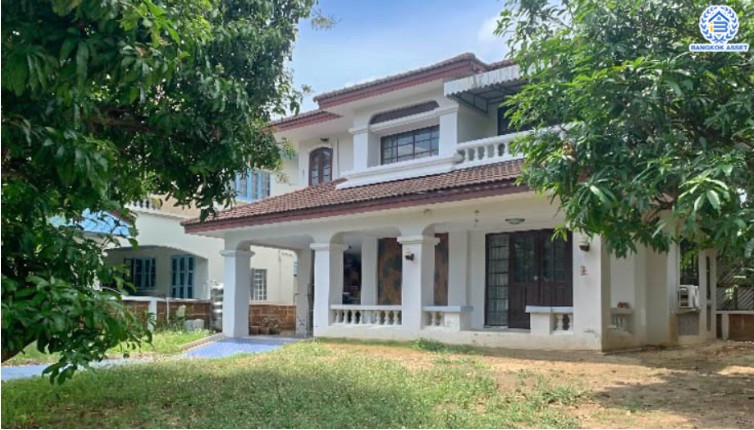
A property inside an established community may not always look as new as a recently launched home, but it can benefit from a stronger surrounding environment. Buyers are not only purchasing a house; they are joining a lifestyle that already works.
In the end, established communities often outperform new housing projects quietly, not through dramatic promises, but through consistency. They offer visible convenience, social rhythm, and fewer unknowns. For thoughtful buyers, that quiet reliability can be far more valuable than the excitement of something new. A home may age, but a good community often becomes richer with time.