
Houston Auto Injury Cases: What Happens During a Car Accident Investigation
The first few hours matter more than most people think
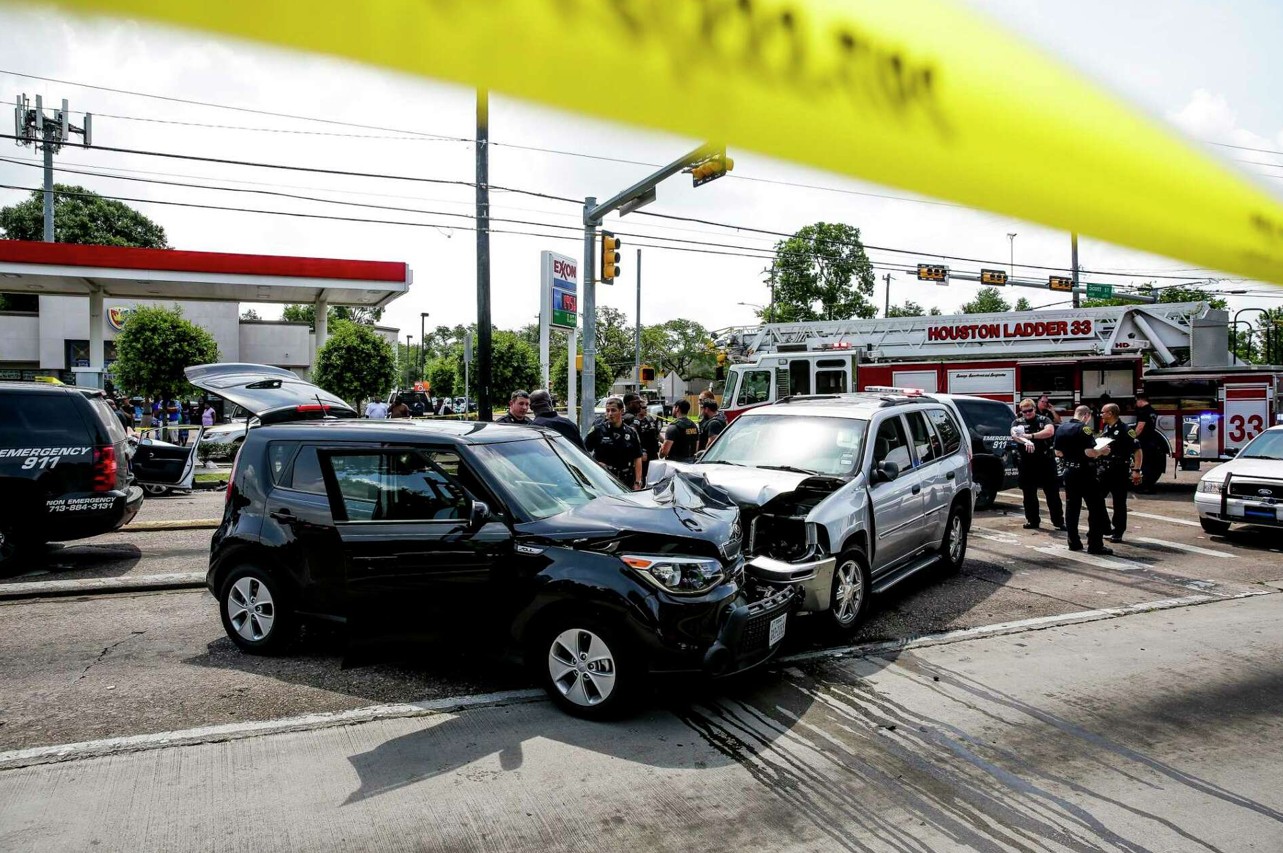
A car crash ends in seconds, but the questions start right away. Who had the light? Who braked late? Was someone on a phone? Those details shape the whole case. In Houston, police often arrive first if the crash caused injury, blocked traffic, or involved major damage. They secure the area, talk to drivers, and write down what they see. That early report often becomes the first piece of the case. Still, the report is not the whole story. An officer may note skid marks, broken glass, lane position, and weather. If it rained that day, that matters. If traffic was heavy near I-45, that matters too. Houston roads can change by the minute, and a crash scene tells a short story before tow trucks erase it. That is why people are told to take photos if they can. A bent bumper, a broken light, even where a shoe lands on the road—small things can speak later.
So, who actually investigates the crash?
Police begin it. Insurance teams keep it going. Each insurer usually assigns an adjuster. That person reviews damage, reads statements, and checks policy terms. They may call both drivers within days. Sometimes they ask simple things. Sometimes they ask the same thing twice in a new way. That is not random. They want steady answers. If the story shifts, they notice.
A serious injury case may also bring in outside experts:
- Crash scene analysts
- Medical reviewers
- Vehicle data experts
- Road safety engineers
Modern cars store data, almost like a black box. Speed, brake timing, steering input—those details can show what happened seconds before impact. You know what? Many drivers do not even know that data exists until a lawyer asks for it.
Evidence builds slowly, then all at once
A case often feels quiet at first. Then papers begin to pile up. Medical records come in. Repair estimates arrive. Phone records may get requested if distracted driving is suspected. Nearby store cameras sometimes help too. A gas station on a corner can end an argument in one video clip. Some footage disappears fast, sometimes within days. That is why quick action matters. Law firms like Schechter, Shaffer & Harris, LLP – Accident & Injury Attorneys often move early to preserve proof before it vanishes..
Witnesses help—but only when they stay clear
A witness may sound solid at the scene, then less certain later. That happens often. Someone saw part of the crash, not all of it. Another heard the impact but looked over too late. Memory works like that. Good investigators compare witness words against physical proof. If someone says a car ran a red light, camera footage or signal timing may back it up. And timing matters. A witness spoken to the same day often gives cleaner detail than one called two weeks later. It is a little like hearing a song once and trying to repeat every lyric later—you lose pieces.
Fault is rarely as simple as people expect
Many drivers think the fault is obvious. Sometimes it is. Rear-end crashes often look clear. But even then, there can be questions. Did the front car stop suddenly? Were brake lights working? Texas uses shared fault rules. If both drivers made mistakes, blame can split. That affects money. If a driver is partly at fault, payment may drop by that same share. So if someone is found 20 percent at fault, the final recovery drops 20 percent too. That is why every detail gets tested. Lane changes, turn signals, speed, road signs—each piece matters more than people expect.
Medical proof often decides the strength of the claim
Pain alone is not enough in a legal file. Doctors must connect the injury to the crash. A sore neck one day later may become a long treatment record. A back injury may need scans, therapy notes, and doctor opinions. Insurance teams look closely at gaps. Missed appointments can hurt a claim. So can waiting too long to seek care. Honestly, even a small delay invites doubt. The insurer may ask: if it hurt so much, why wait? That question comes up often.
Why lawyers step in before settlement talks heat up
Insurance companies often call early with polite questions. That does not mean the case is settled fairly. A first offer may arrive before treatment ends. It may sound decent, especially when bills are already stressful. Yet early offers often come before the full cost is known. Future therapy, missed work, pain at night—those costs add up.
A Houston personal injury lawyer usually reviews:
- Crash reports
- Medical records
- Lost wage proof
- Repair records
- Insurance policy limits
Then demand letters begin. That letter tells the insurer what happened, what proof exists, and what payment is expected. Sometimes talks settle fast. Sometimes they drag for months.
If the case goes further, court becomes part of the picture
Not every case reaches trial. Most do not. Still, filing a lawsuit changes pressure. It opens formal proof gathering. Lawyers can request records, question witnesses under oath, and review expert opinions. That stage feels slow. Deadlines, filings, and court dates stretch the process. But it also often brings hidden facts out—extra insurance coverage, better footage, stronger witness detail. A case can settle even after a suit begins. That happens a lot. It sounds odd, but filing often starts serious talks.
Five questions people ask after a Houston crash
1. How long does a car accident investigation take?
A simple case may move in weeks. A hard injury case can take months. If records, experts, or court filings are needed, it takes longer.
2. Can I still file a claim if the police report seems wrong?
Yes. A report helps, but it is not final proof. Photos, witness words, and video can challenge it.
3. Should I speak to the other driver’s insurance company?
You can, but keep answers short and factual. Do not guess. Do not accept blame casually.
4. What if I felt fine at first but hurt later?
That happens often. Some injuries show up a day later, especially neck and back pain. See a doctor quickly.
5. When should I call a lawyer after a Houston crash?
Call early if injuries are serious, fault is disputed, or the insurer pushes fast. Early legal practice helps protect key proof.
One last practical thought
Crash cases are rarely won by one dramatic fact. They are built from ordinary pieces—photos, timing, records, and plain words that stay steady. A traffic light changes in seconds. A legal case moves slower. Still, the first few days often shape everything that follows.