
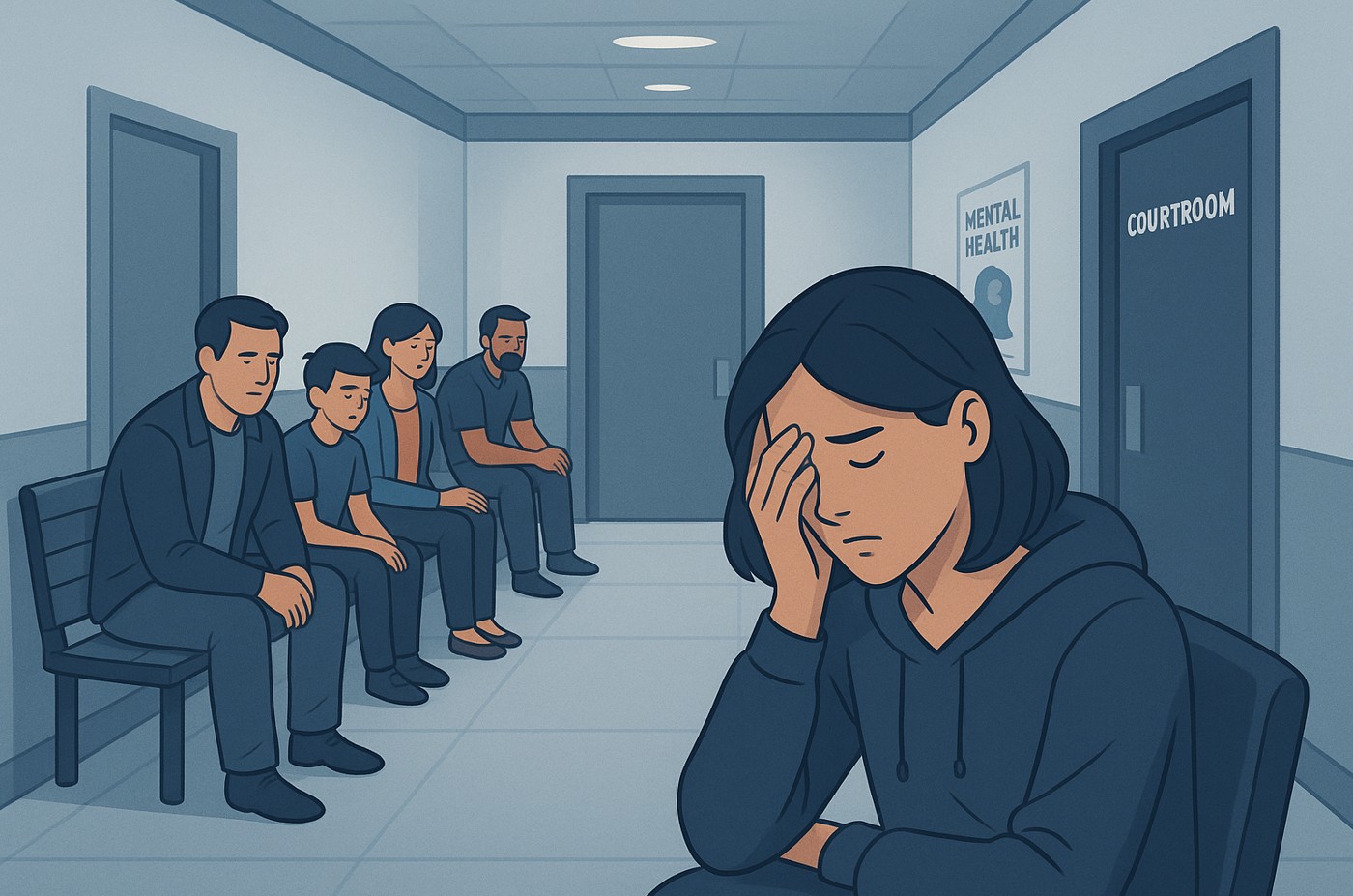
What Happens After a Truancy Complaint in Kansas City, Missouri?
Sometimes you miss school. Kids get sick. Hard times for families. Cars go wrong. Life is messy. Still, when absences become a trend without good cause, schools must respond. Kids are expected to attend school frequently under Missouri law. If you don’t, you run the risk of a truancy complaint. Many parents get frightened when they hear those words. That’s okay. The good news is that a truancy complaint frequently begins a process of identifying answers, not just doling out punishments. Lots of instances in Kansas City are about getting students back to school and doing well. That’s the job of the Kansas City Specialty Courts. Beyond the Bench KC sponsored programs foster solutions that get to the root causes of multiple absences, not just the absences themselves.
What is a Truancy Complaint ?
A truancy complaint is an official report that a kid has missed school too often without good reason. But schools typically don’t submit one after only a few absences. Instead, staff members generally attempt many steps initially. They could:
- Call parents/guardians .
- Meet the family.
- Provide attendance plans.
- Connect students to counselors and social workers.
If attendance does not improve, the school may take the matter to court. It’s like a caution light on the dashboard of your car. The light is not the underlying issue. It’s saying that something underlying requires care.
What happens once the complaint is filed?
The process is initiated when the complaint is filed with the court. Usually the family is notified about the case. The announcement is about when to show up and what to bring. The court considers a few details, such as:
- Attendance register.
- Reports from school
- Parent Communication
- Reasons of Absenteeism
The judge wants the full picture. Each family has its own narrative. Some pupils do not attend school because of health difficulties. Others have anxiety, bullying, housing issues, transportation, or family stress. These details count.
The Initial Court Appearance
Walking into a courtroom can be stressful. Many parents are honestly expecting the worst. But the initial hearing is frequently about trying to figure out what happened. The judge can ask basic inquiries. Why is the youngster not attending school? Has the family been involved with the school? What support has been provided to date? Everybody engaged has the same desire to have the kid back in class as much as possible.” Parents should be on time, well-dressed and should bring any useful documentation. Medical notes, attendance plans, counseling records, or other information may assist in explaining the circumstance.
The Court Can Do More Than Dictate Rules
The court is frequently seen as a place that simply deals out penalties. That is not always the case. Many judges realize that frequent absence is usually based on more complex reasons. Students with depression may find it hard to leave home. Another student may look for smaller brothers or sisters before school. Transportation is not reliable for some families. The court could link families to community programs rather than just punishment. This is frequently the way to get better results in the long run.
Why Specialty Courts Are Important in KC
Some cases may involve programs associated with Kansas City Specialty Courts. The courts function differently from a regular courtroom. Their job is to address problems that bring people into the justice system. Rather than only asking, “What rule was broken?” they additionally question, “What caused this problem? That little modification makes all the difference. Families might get aid from counseling, mentoring, education services, treatment programs or community support. Beyond the Bench KC helps to highlight these projects. The company says it starts with the reasons for bad behavior, such frequent truancy.
Parents Have a Big Role
Parents are a key part of the entire process. A desire to work with the school and the court generally helps everyone get ahead. Little steps count. Keep the lines of communication open. Go to meetings. Adhere to attendance plans. If things are unclear, ask inquiries. You know what? Courts see the effort. And even when problems are not solved overnight, honest cooperation often matters.
What’s Next ?
Each case is unique. Possible consequences could include attendance agreements, follow-up hearings, counseling referrals, family services, mentoring or continuing monitoring. If more people turn up, case might be closed. If issues persist, the court may mandate more actions. The goal is the same—to get youngsters back to school and keep them there.
Easier Life Why Early Action
Waiting is seldom useful. A few days go by, then weeks, before someone notices how bad it has gotten. As soon as attendance concerns are evident, school should be contacted. There are many resources available through teachers, counselors, attendance officers, and community groups before court action is needed. Small steps early can prevent much bigger difficulties later. Perfect attendance isn’t usually the key to school success. It grows from support, communication and consistent effort.
Last Words
A truancy complaint can be an intimidating experience. That doesn’t mean hope is lost. Instead than blaming families, Kansas City’s approach generally involves helping them overcome hurdles. “Kansas City Specialty Courts and community support from Beyond the Bench KC are programs that reflect a simple belief. Students should have the chance to achieve, and families should have the means to make it happen. “It’s the best opportunity for students to work together to return to the classroom confident and on track to graduate.”
FAQs
1. What does the term truancy mean in Kansas City, Missouri?
Generally, truancy means a student has repeated unexcused absences from school. And schools typically consult with families before filing a formal complaint. They frequently call parents, make attendance plans, and offer help before court involvement.
2. Do parents have to come to court after a truancy complaint?
Yes, many families receive a notice from the court. Parents or guardians are usually required to attend hearings, answer questions and discuss attendance difficulties with the judge and school officials.
3. Is it possible to dismiss a truancy case?
Yes, it may be. If attendance improves and the family complies with court suggestions, the case may be closed without further action. Every decision rests on the facts of the case.
4. How do the Kansas City Specialty Courts aid families?
Kansas City Specialty Courts address the root causes of repeat absenteeism. These programs can link families to counseling, education services, mentoring, treatment or other community resources that promote long term success.
5. What does Beyond the Bench KC do to combat truancy?
Beyond the Bench KC raises awareness about the mission of Specialty Courts in the community. The organization works to combat the core causes of school attendance difficulties and helps students and families achieve brighter futures via guidance, accountability, and community support.